
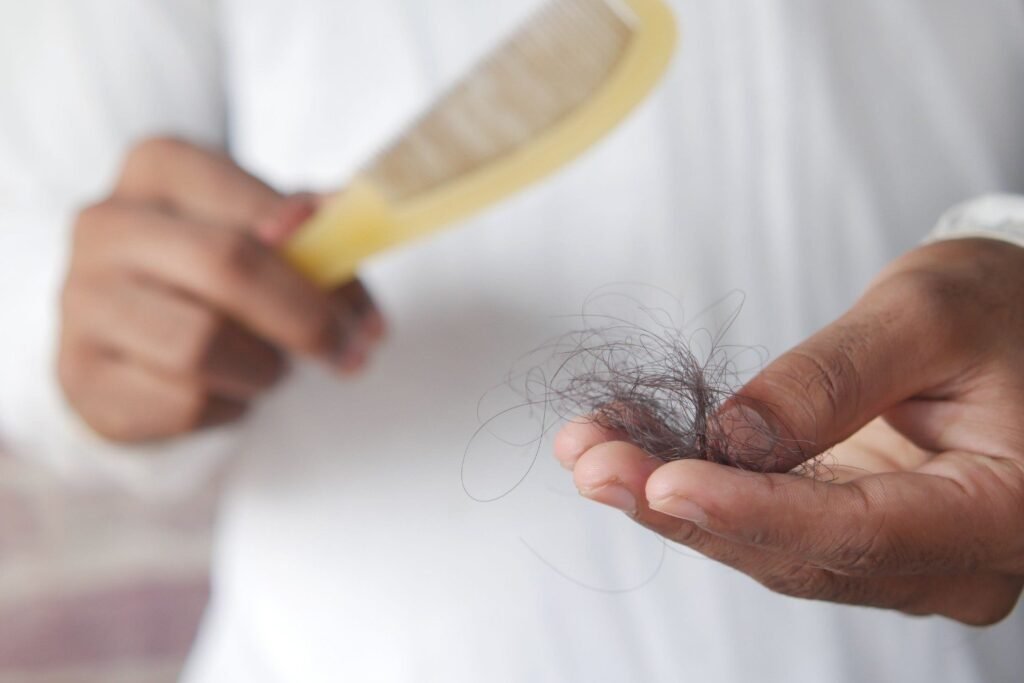
Hair fall is a common concern that can affect people of different ages. Finding loose strands on your pillow, noticing more hair in the shower, or seeing your hair become thinner can be frustrating. While some hair shedding is normal, persistent hair loss may indicate an underlying issue that needs attention.
Consulting a Hair Fall treatment Doctor in saket can help you understand the possible causes of hair fall and identify suitable treatment options. At Skin & Hair Clinic, the focus is on understanding individual hair concerns and exploring appropriate ways to support scalp health and hair growth. The right approach depends on factors such as your medical history, lifestyle, scalp condition, and pattern of hair loss.
More information direct chat with us on WhatsApp.
What Causes Hair Fall?
Before choosing a treatment, it is important to understand why your hair is falling out. Hair loss does not have a single cause, and different people may need different approaches.
Common reasons include:
- Nutritional deficiencies: Low levels of certain nutrients, including iron, may contribute to hair loss.
- Hormonal changes: Thyroid problems, pregnancy-related changes, and other hormonal conditions can affect hair growth.
- Stress: Physical or emotional stress may trigger increased hair shedding.
- Genetics: Hereditary hair loss can cause gradual thinning over time.
- Scalp conditions: Dandruff, inflammation, and certain scalp disorders may affect hair health.
- Hair care habits: Frequent heat styling, tight hairstyles, and harsh chemical treatments can damage hair.
A Hair Fall treatment Doctor in saket can assess these possible causes and recommend further evaluation when necessary.
Which Treatments Can Help Reduce Hair Fall?
The most suitable hair fall treatment depends on the underlying cause. A treatment that works for one person may not be appropriate for another.
Medical Treatment for Hair Loss
Certain medications can help manage specific types of hair loss. For example, topical minoxidil may be recommended for some people with pattern hair loss. Other medicines may be suitable in selected cases after a medical assessment.
However, these treatments are not appropriate for everyone. Their suitability, possible side effects, and expected results should be discussed with a qualified healthcare professional.
Treatment for Nutritional Deficiencies
Hair growth requires adequate nutrition. If hair loss is related to an iron deficiency or another nutritional problem, correcting the deficiency may help address the underlying issue.
A healthcare professional may recommend blood tests when symptoms or medical history suggest a deficiency. Avoid taking high-dose supplements without guidance, as excessive amounts of certain nutrients can also contribute to health problems.
Treatment for Scalp Conditions
Scalp problems can sometimes contribute to itching, irritation, and increased hair shedding. Depending on the diagnosis, treatment may include medicated shampoos or other prescribed therapies.
Keeping the scalp clean and avoiding products that cause irritation can also support scalp health. However, persistent itching, redness, scaling, or painful areas should be evaluated rather than treated with home remedies alone.
Platelet-Rich Plasma (PRP) Therapy
Platelet-rich plasma, commonly called PRP, is a procedure that uses a concentrated portion of a person’s own blood. It is prepared and injected into selected areas of the scalp.
PRP may be considered for certain types of hair thinning, particularly pattern hair loss. However, results vary, and the evidence supporting its effectiveness is still developing. It is important to discuss the potential benefits, limitations, costs, and number of sessions with a healthcare professional before deciding on this treatment.
Hair Transplant for Selected Cases
A hair transplant may be an option for some people with established pattern hair loss. The procedure involves moving hair follicles from a donor area to areas affected by thinning or baldness.
Not everyone is a suitable candidate. Hair loss pattern, donor hair availability, overall scalp health, and the possibility of future hair loss should be considered before treatment.
Can Daily Hair Care Habits Help Control Hair Fall?
Professional treatment may be helpful, but everyday habits also play a role in maintaining healthy hair. Skin & Hair Clinic encourages people experiencing hair concerns to pay attention to their regular hair care routine.
Consider these practical steps:
- Eat a balanced diet with adequate protein and a variety of nutrient-rich foods.
- Use a gentle shampoo suited to your scalp type.
- Avoid excessive heat styling and frequent chemical treatments.
- Do not pull wet hair aggressively while combing or drying it.
- Choose comfortable hairstyles that do not place constant tension on the roots.
- Manage stress and maintain a consistent sleep routine.
- Avoid unverified hair growth products that promise immediate results.
These habits can help reduce preventable hair damage, although they cannot treat every type of hair loss.
https://share.google/aEnfy5l5BKrmU7y8m
When Should You Consult a Hair Fall Specialist?
Occasional shedding may not require medical treatment, but certain changes should not be ignored. Consider consulting a Hair Fall treatment Doctor in saket if you notice sudden or persistent hair loss, widening areas of thinning, bald patches, scalp discomfort, or hair loss accompanied by other unexplained symptoms.
A healthcare professional may examine your scalp, review your medical history, and recommend tests if needed. Early assessment can help identify treatable causes and prevent unnecessary delays in care.
At Skin & Hair Clinic, understanding the reason behind hair fall is an important starting point for discussing suitable care options. Avoid expecting overnight results because hair growth takes time, and improvement depends on the cause and treatment selected.
Frequently Asked Questions
What is the best treatment for hair fall?
The best treatment depends on the cause. Options may include medication, correcting nutritional deficiencies, treating scalp conditions, PRP therapy, or hair transplantation in selected cases.
Can hair fall be reduced naturally?
Gentle hair care, a balanced diet, adequate protein intake, and avoiding excessive heat or tight hairstyles may reduce preventable hair damage. However, persistent hair loss may require medical evaluation.
Is PRP therapy effective for hair growth?
PRP may help some people with certain types of hair thinning, but results vary. A healthcare professional can explain whether it may be appropriate for your condition.
How long does hair fall treatment take to show results?
The timeline depends on the cause and treatment. Some treatments require several months before improvement becomes noticeable, so consistency and appropriate follow-up are important.
When should I visit a hair fall treatment doctor in Saket?
Seek professional advice if hair loss continues, becomes sudden or severe, creates bald patches, or occurs with scalp pain, redness, or persistent itching.
Conclusion
Hair fall can have several causes, ranging from nutritional deficiencies and hormonal changes to hereditary hair loss and scalp conditions. Identifying the underlying reason is essential for choosing an appropriate treatment and setting realistic expectations.
If you are concerned about thinning hair or ongoing shedding, consulting a Hair Fall treatment Doctor in saket can help you explore suitable options based on your individual needs. Skin & Hair Clinic encourages a thoughtful approach that combines proper assessment, appropriate treatment, and healthy hair care habits to support long-term scalp and hair health.
To learn more about braces and aligner treatments, visit Satya Dental, Skin & Hair Clinic at https://satyadentalcare55.com/