
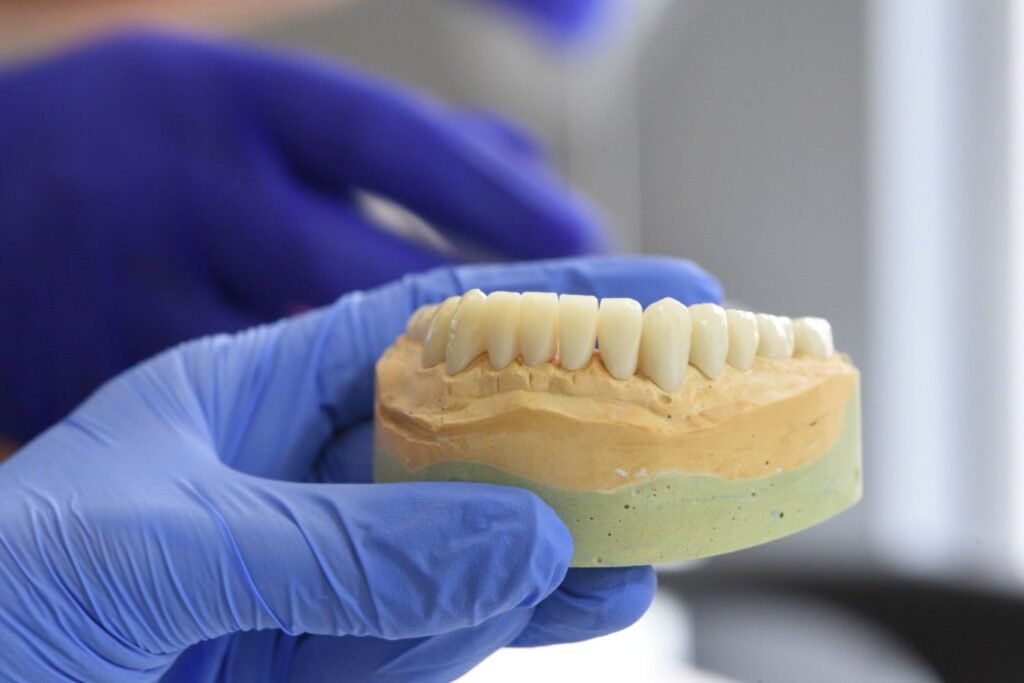
Losing a tooth can affect much more than your smile. It may make chewing uncomfortable and can leave you wondering which replacement option will work for you. Dental implants are one option that can be considered when a missing tooth needs to be replaced.
One of the first questions patients ask is, “How long will the entire implant treatment take?” The answer is not the same for everyone. Some treatments involve only a few straightforward steps, while others require additional procedures and healing time.
If you are researching Dental Implants in Saket, knowing what happens during each stage can give you a clearer idea of the process. Satya Dental, Skin & Hair Clinic recommends discussing the complete treatment plan with your dentist rather than relying on a fixed timeline.
More information direct chat with us on WhatsApp.
What Is Involved in Dental Implant Treatment?
A dental implant is used to replace the root portion of a missing tooth. After the implant has healed, it can support a dental restoration such as a crown.
Although implant placement is an important part of the treatment, it is only one stage. The complete process can include an examination, treatment planning, implant placement, healing and fitting of the final restoration.
This means that the time spent in the dental chair and the total time needed to finish treatment are two different things.
Step 1: Dental Examination and Treatment Planning
The process normally begins with an assessment of your mouth and the area where the tooth is missing. Your dentist may examine the gums, neighbouring teeth and available bone before deciding how to proceed.
Dental imaging may also be used when needed to understand the structures beneath the gums.
This appointment is important because it helps the dentist determine whether an implant is appropriate and what steps may be required.
At Satya Dental, Skin & Hair Clinic, patients can discuss their concerns and understand the proposed treatment before moving ahead with the procedure.
Step 2: Placement of the Implant
Once the treatment plan is finalized, the implant can be placed in the jawbone.
The length of this appointment depends on several factors, including the number of implants being placed and the complexity of the procedure. Replacing one tooth can involve a different process from replacing several teeth.
It is worth remembering that implant placement is not the same as completing the entire treatment. After the implant is positioned, the surrounding bone needs time to heal.
Step 3: The Healing Period
Healing is an important part of dental implant treatment.
Following implant placement, the bone gradually settles around the implant. This biological process takes time, and the appropriate healing period varies between individuals.
Your dentist will monitor your progress and decide when the implant is ready for the next stage.
This is one reason why a patient should not expect every dental implant treatment to be completed within the same number of days or appointments.
Why Does Healing Matter?
The implant needs to become sufficiently stable before the permanent restoration is attached. Moving too quickly from one stage to another may not be appropriate for every patient.
Your dentist can advise you about the expected healing period based on your individual circumstances.
Step 4: Fitting the Final Tooth
Once the implant has healed adequately, the restoration stage begins.
Depending on the treatment plan, an abutment may be connected to the implant. The dental crown is then prepared and fitted to replace the visible portion of the missing tooth.
The dentist will check the fit and appearance of the restoration before completing this stage.
For someone considering Dental Implants in Saket, this is the stage where the replacement tooth becomes part of the everyday smile and chewing function.
Can Bone Grafting Increase the Treatment Time?
Sometimes additional treatment is needed before an implant can be placed.
For example, if the available bone is not sufficient to support an implant, bone grafting may be recommended. In such situations, healing from the additional procedure can affect the overall treatment schedule.
Not every patient requires bone grafting, so it should not be assumed that it will be part of every implant procedure.
A dental examination is the best way to understand whether additional treatment may be necessary.
What Factors Can Change the Timeline?
There are several reasons why one person’s implant treatment may take longer than another’s.
These can include:
- The number of missing teeth
- The condition of the gums
- Available jawbone
- Whether bone grafting is needed
- The location of the missing tooth
- Healing after implant placement
- Type of restoration being used
- Individual treatment requirements
Because of these differences, an online estimate should only be treated as general information.
Satya Dental, Skin & Hair Clinic can assess your dental condition and explain the stages involved in your planned treatment.
https://share.google/aEnfy5l5BKrmU7y8m
How Should You Prepare for the Treatment?
Before starting implant treatment, tell your dentist about any existing dental concerns and follow the instructions provided during your appointments.
After implant placement, maintaining good oral hygiene and attending follow-up appointments can help your dentist monitor the treatment area.
You should also ask questions about eating, cleaning the area and returning to your normal routine. Understanding these instructions beforehand can make the recovery period easier to manage.
Frequently Asked Questions
Is dental implant treatment completed in one appointment?
Not usually. Implant treatment commonly involves different stages, including planning, implant placement, healing and restoration. The number of appointments depends on the individual’s treatment plan.
How long does the implant placement appointment take?
The appointment length can vary according to the number of implants and the complexity of the procedure. Your dentist can provide a more specific estimate after examining your case.
Why does a dental implant need time to heal?
After placement, the implant needs time to become sufficiently integrated with the surrounding bone. Your dentist will determine when it is appropriate to proceed with the restoration.
Does every patient need bone grafting?
No. Bone grafting is not automatically required for every implant patient. It may be considered when there is not enough suitable bone for the planned implant.
How can I find out my expected implant treatment time?
The most reliable way is to have a dental examination and discuss your treatment plan with a dentist. They can explain which stages apply to you and how much time may be needed between them.
Conclusion
The duration of dental implant treatment depends on much more than the implant placement appointment itself. Examination, planning, healing and restoration all form part of the overall process. Additional procedures may also affect the schedule when they are required.
If you are exploring Dental Implants in Saket, speaking directly with a dental professional can help you understand what your treatment may involve instead of comparing your timeline with someone else’s.
Satya Dental, Skin & Hair Clinic can help patients understand the different stages of implant treatment and the factors that may influence their individual schedule. Satya Dental, Skin & Hair Clinic also recommends asking about the expected healing period and restoration process before beginning treatment, so you have a clear understanding of what to expect.
To learn more about braces and aligner treatments, visit Satya Dental, Skin & Hair Clinic at https://satyadentalcare55.com/