
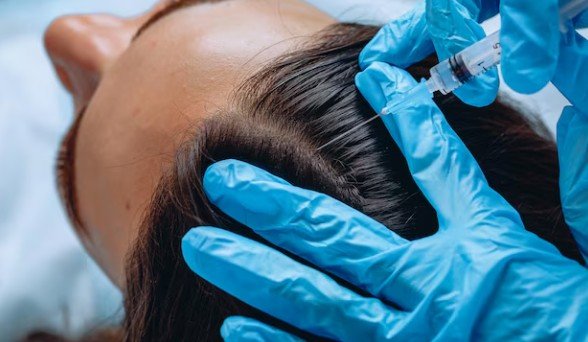
Hair shedding is a normal part of the hair growth cycle, but noticing more hair on your pillow, comb, or shower floor can still be concerning. The important question is whether you are experiencing temporary hair shedding or gradual hair thinning. Knowing the difference can help you decide when professional advice may be useful. If you are looking for Hair Thinning Treatment in Saket, understanding these early signs is a good place to start.
At Satya Dental, Skin & Hair Clinic, we believe that understanding changes in your hair can help you take appropriate action. Hair loss can have different causes, so identifying the pattern and progression is important before choosing a treatment.
More information direct chat with us on WhatsApp.
Is Hair Shedding Normal?
Everyone loses some hair every day. This happens because individual hairs naturally move through different stages of growth, rest, and shedding.
Normal hair shedding usually does not cause a noticeable change in the overall thickness of your hair. New hairs continue to grow as older hairs fall out. You may notice loose strands while washing or brushing your hair, but your hairline and scalp coverage generally remain stable.
Temporary increases in shedding can also occur after certain lifestyle changes or stressful periods. In many cases, the hair gradually returns to its usual pattern once the underlying trigger settles.
What Does Hair Thinning Look Like?
Hair thinning is different from occasional shedding. It usually involves a gradual reduction in the density or thickness of hair.
You may notice:
- A wider-looking parting
- More visible scalp
- Reduced volume around the crown
- A receding hairline
- A thinner ponytail
- Hair that feels finer than before
- Gradual loss of coverage in particular areas
Unlike normal shedding, hair thinning can become increasingly noticeable over time. This is why paying attention to changes in hair density can be helpful.
Shedding vs. Thinning: What Is the Difference?
The simplest way to understand the difference is to look at how your hair looks over time.
With normal shedding, individual strands fall out, but overall hair density tends to remain fairly consistent. With hair thinning, the amount of coverage may gradually decrease.
For example, finding loose hair after shampooing does not necessarily mean you are developing hair loss. However, if your parting is becoming wider or your scalp is increasingly visible, it may be worth discussing the change with a hair specialist.
Common Signs That Your Hair May Be Thinning
Hair thinning can develop slowly, making the early signs easy to overlook. Regularly checking your hair can help you notice changes sooner.
Your Parting Looks Wider
If the line between sections of your hair appears wider than it used to, it may indicate reduced hair density. Comparing recent photographs with older ones can sometimes make gradual changes easier to notice.
Your Scalp Is More Visible
Increased scalp visibility, especially around the crown or front of the scalp, can be a sign of thinning. Lighting and hairstyles can affect how visible the scalp appears, so look for changes that remain consistent.
Your Ponytail Feels Smaller
A noticeable reduction in ponytail thickness may suggest that the overall number or diameter of hairs has changed.
Your Hairline Is Changing
A gradually receding hairline or reduced density around the temples may indicate a pattern of hair loss rather than ordinary daily shedding.
Your Hair Feels Finer
Sometimes thinning is not immediately obvious because the number of loose strands has not changed dramatically. Instead, individual hairs may appear or feel finer, resulting in less overall volume.
Why Does Hair Thinning Happen?
Hair thinning can have several possible causes. Genetics and age can play a role, while hormonal changes, nutritional problems, certain illnesses, stress, medications, and scalp conditions may also contribute to hair loss.
Because the causes can vary, treatment should not be based only on the amount of hair found in a comb. A proper assessment can help determine the likely reason behind the change.
At Satya Dental, Skin & Hair Clinic, hair concerns can be assessed based on the individual’s symptoms and pattern of hair loss rather than relying on a one-size-fits-all approach.
When Should You Consider Hair Thinning Treatment?
Consider seeking professional guidance if hair thinning continues, becomes progressively noticeable, or starts affecting your confidence.
You may also want an evaluation if you experience sudden or patchy hair loss, significant changes in your hairline, persistent scalp symptoms, or noticeable changes in hair density without an obvious reason.
If you are considering Hair Thinning Treatment in Saket, an early assessment may help identify the contributing factors and determine which treatment options are appropriate for your situation.
What Can You Do About Hair Thinning?
The right approach depends on the underlying cause. A hair specialist may consider your hair-loss pattern, scalp condition, medical history, lifestyle, and other relevant factors before recommending treatment.
Simple hair-care habits can also help reduce unnecessary damage:
- Avoid excessive heat styling.
- Be gentle while brushing wet hair.
- Avoid hairstyles that constantly pull on the hair.
- Choose hair-care products suited to your scalp and hair type.
- Maintain a balanced and nutritious diet.
- Avoid unnecessary self-treatment without understanding the cause.
These steps cannot prevent every type of hair loss, but they can support healthier hair-care practices.
Why Early Attention Matters
Hair thinning often develops gradually. Because the change can be subtle, many people wait until their scalp becomes noticeably visible before seeking advice.
Paying attention to changes in hair density, hairline, and texture can help you recognize a problem earlier. If you are concerned about ongoing hair loss, professional evaluation can provide a clearer understanding of what may be happening.
Satya Dental, Skin & Hair Clinic focuses on helping individuals understand their hair concerns and explore suitable treatment options based on their needs.
Conclusion
Normal hair shedding does not necessarily mean that you are developing hair loss. The key difference is often the change in your overall hair density. If your hair continues to look thinner, your parting becomes wider, your scalp becomes more visible, or your hairline changes gradually, these may be signs of hair thinning.
Rather than judging your condition only by the number of strands you shed, pay attention to how your hair changes over time. If you notice persistent thinning, consulting a professional can help identify possible causes and appropriate treatment options.
For those considering Hair Thinning Treatment in Saket, Satya Dental, Skin & Hair Clinic can help you understand your hair concerns and take the next step toward appropriate care.
To learn more about braces and aligner treatments, visit Satya Dental, Skin & Hair Clinic at https://satyadentalcare55.com/